
STATE DEPARTMENT FOR CORRECTIONAL SERVICES IN FINAL PUSH FOR ADOPTION OF CLEAN COOKING
By Nicholas Kigondu
The State Department for Correctional Services is exploring various clean cooking technologies to identify the most efficient energy mix in its endeavor to transition to clean energy cooking.
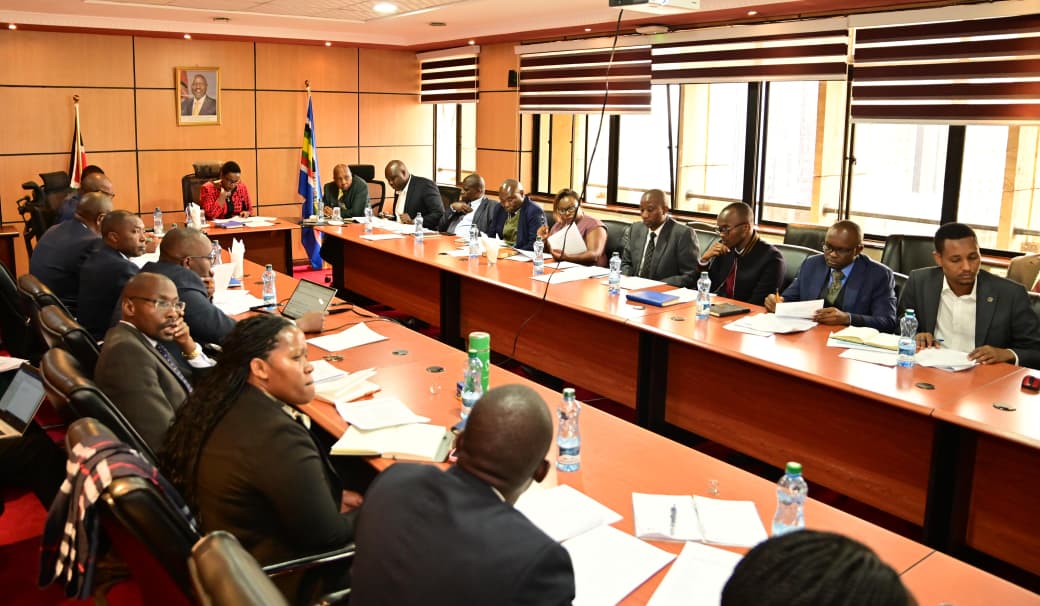
A meeting between Principal Secretary Dr. Salome Beacco and the technical working group on transitioning to clean energy, held on Wednesday, resolved to engage relevant government agencies and stakeholders on best options with the department planning to shift from biomass-based cooking to clean cooking within the next one year.
The technical working group comprises various government agencies and partners including the state departments for petroleum, energy, environment, Sate law office, NEMA, Directorate of Occupational Safety and Health Services, Public investment and the Kenya Bureau of Standards.
According to the PS, the transition will help the department cut down on energy costs besides helping address the effects of climate change and boosting the government’s plan to plant 15 billion trees with correctional facilities among the biggest users of wood fuel in the country for institutional cooking.
The plan, that involves 100% transition of all 134 prisons and 9 Probation and Aftercare institutions to clean cooking technologies by the end of the next financial year, will be implemented in four phases. Mobilization and baseline studies will cover the first phase before commencement of infrastructure development with capacity development and monitoring and evaluation completing the cycle.
The Lang’ata women maximum security prison has already transitioned to use of liquified petroleum gas.
Among the technologies under consideration include LPG-powered steam technology, a highly efficient clean energy system that uses a central LPG source to boil water and distribute high-pressure steam to cooking appliances as well as solar energy and biogas.
The department is also seeking to learn from the Kenya’s School LPG Programme that has been implemented in some public boarding schools and TVET institutions, as it seeks to leverage on best practices and reduce on the cost of implementation.
It also plans to tap into available carbon credit financing opportunities including the Building Climate Resilience with the Urban Poor (BCRUP), a global initiative established under a UN mandate to protect vulnerable urban communities.
The department is banking on treasury to fund the transition plan with an injection of 300 million shillings while partners and stakeholders are expected to take care of possible funding gaps including capacity building.