
STATE DEPARTMENT FOR CORRECTIONAL SERVICES TO INTEGRATE NEW TECHNOLOGIES TO ENHANCE PRODUCTION
By Nicholas Kigondu
The State Department for Correctional Services has prioritized the revitalization of prison farms and industries as it moves to remodel them into more productive, sustainable, and commercially viable enterprises.
Principal Secretary Dr. Salome Beacco says the plan is part of ongoing efforts to align their operations with the government’s Bottom-Up Economic Transformation Agenda through mechanization, digitization, and the integration of new technologies.
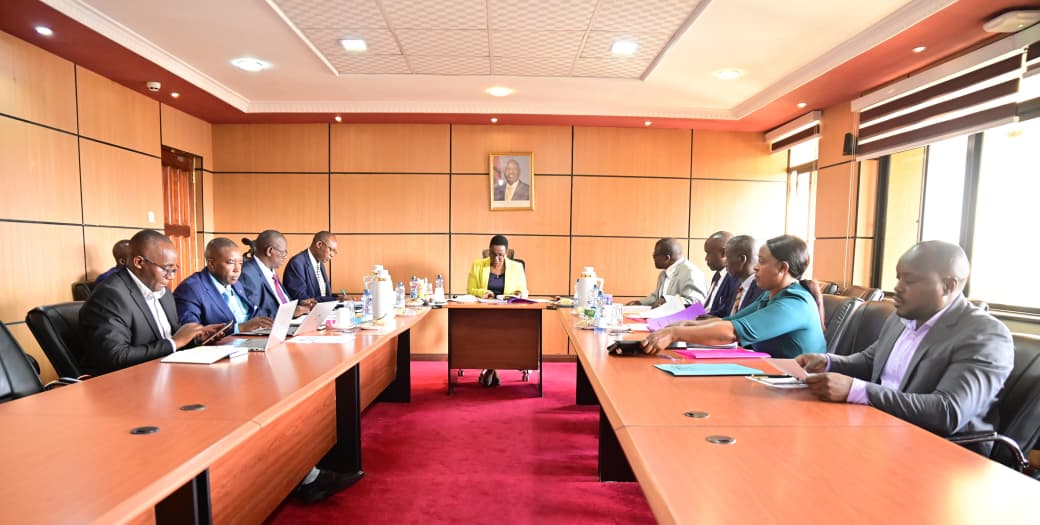
Speaking during a strategy meeting with directors of prison farms and industries, the PS said the department has already initiated a host of reforms targeted at improving self-sufficiency, increasing revenue generation, and enhancing inmate rehabilitation.
The plan includes the diversification of products as well as moving away from over-reliance on rain-fed agriculture besides increasing acreage of specialty crops including fruits, vegetables, horticulture, and nursery crops.
Already, the department in partnership with that of irrigation is in the process of implementing a coffee irrigation project at the Ruiru GK prison and the up-scaling of potato seed production at the Nyandarua GK Prison.
Under the guidance and regulatory oversight of the Kenya Plant Health Inspectorate Service (KEPHIS), the potato seed project at Nyandarua GK prison will expand to 43 acres with plans to have a further 50 acres identified at Ngeria GK prison for the expansion of the project.
The department has also invested in its industries with the planned acquisition of modern machinery including Computer Numerical Control machines, used to automate cutting, drilling, carving, and shaping wood as well as other crucial implements.
A financial management system, which is meant to ensure financial probity for the prison revolving fund, is at the testing stage, with users reviewing the various modules to identify possible gaps and validate end-to-end workflows, performance, security, and functional compliance.