
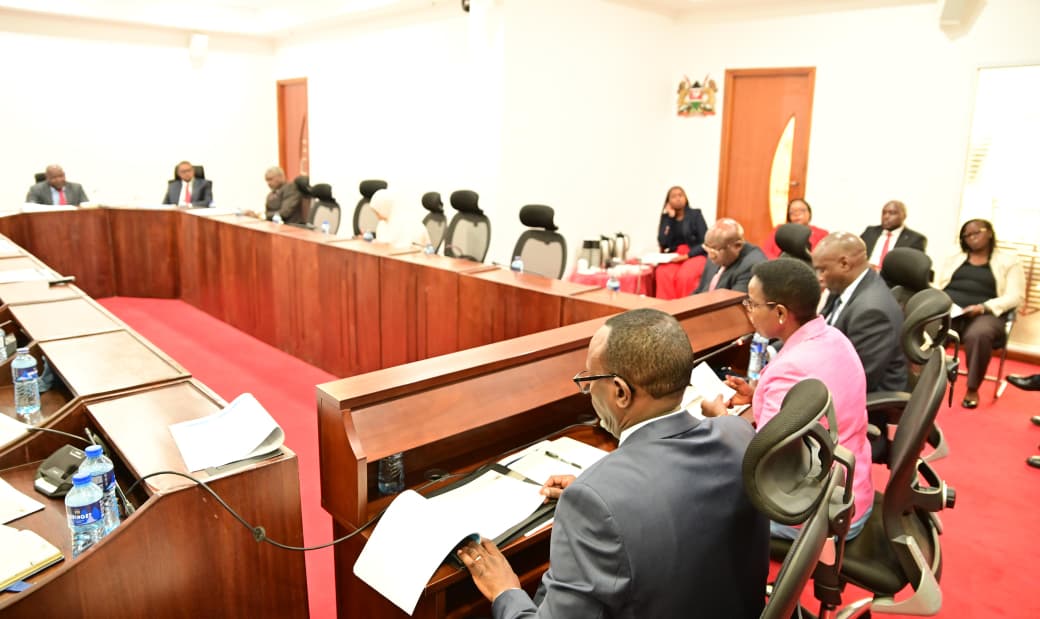
CORRECTIONAL SERVICES PS ROOTS FOR ENHANCED BUDGET DURING APPEARANCE BEFORE JLAC
By Nicholas Kigondu
The State Department for Correctional Services is seeking the support of the National Assembly in ensuring it is adequately resourced to effectively discharge its mandate.
Appearing before the Departmental Committee on Justice and Legal Affairs (JLAC) during the processing of the 2027 budget policy statement, Principal Secretary Dr. Salome Beacco said the department continues to face pressure on existing resources while the budgetary provisions have not been enhanced proportionately.
According to the PS, the department continues to face an upsurge of offenders; which currently stands at 64,542 inmates and 61,904 non-custodial offenders, compared to 62,000 custodial and 59,753 non-custodial offenders in the last financial year.
While thanking JLAC and The National Assembly for continued support and oversight in strengthening correctional services, the PS said the Kshs.45.72 billion shillings allocated to the department for the FY2027/28 against a budget requirement of Kshs.75.36 billion, translate to 61% funding level, an obtaining situation that could compromise envisaged reforms.
During FY 2027-2028 and the Medium-Term period, the State Department plans to among others improve the welfare of correctional officers, provide safe custody, provide psychosocial support, uniforms, beddings, and medical services to an annual average of 64,000 inmates across 137 penal facilities, enhance Universal Health Care to staff, inmates and the public by equipping and staffing of the Wanini Kireri Magereza level IV Hospital and submit social inquiry reports to courts and other penal institutions.
Justice and Legal Affairs Committee Chairperson George Murugara pledged National Assembly’s commitment to support the State Department deliver on its mandate even as he undertook to have the committee ensure that allocated resources are utilized prudently to enhance the effective rehabilitation, reintegration, and management of both custodial and non-custodial offenders.